

For international tea buyers exploring new and reliable sources, understanding the difference between Indonesian green tea and Japanese matcha is essential. Both teas come from the same Camellia sinensis plant, yet their cultivation, processing, flavor profiles, and applications vary significantly. These distinctions not only affect the final taste and aroma but also influence production costs, export potential, and suitability for different beverage markets.
🌱 Cultivation and Growing Conditions
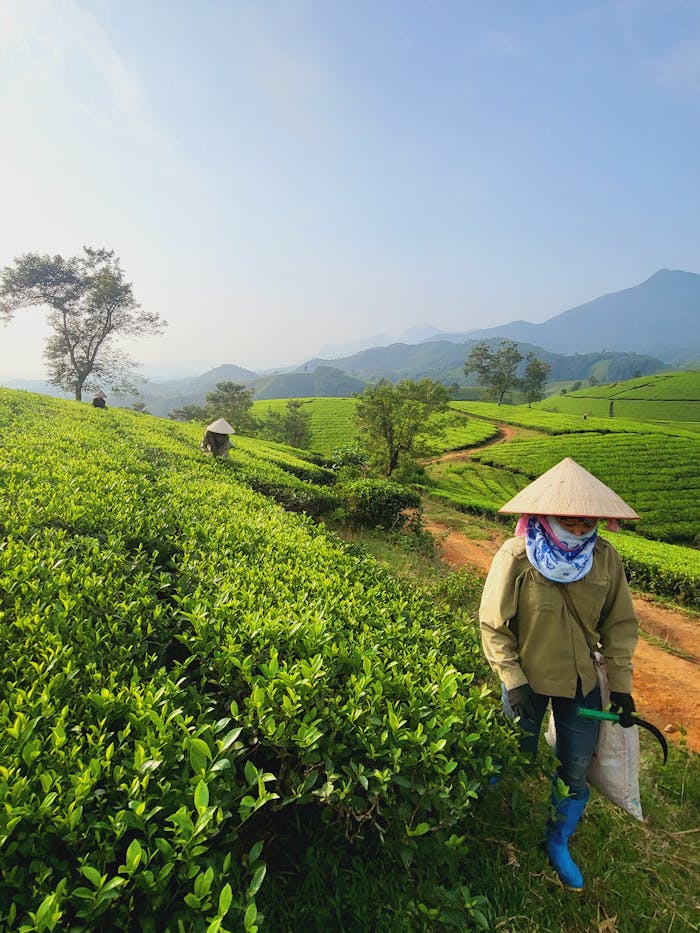
The most fundamental difference begins in how the plants are cultivated. Indonesian green tea is typically grown in open sunlight across the lush highlands of West Java, Central Java, and Sumatra. These regions benefit from rich volcanic soil, abundant rainfall, and consistent tropical temperatures, creating the perfect natural environment for tea cultivation. Exposure to direct sunlight allows the plants to produce higher levels of catechins, giving Indonesian green tea its characteristic robust, earthy flavor and vibrant greenish-yellow liquor.
In contrast, Japanese matcha is grown under shade for several weeks before harvest. This shading technique limits photosynthesis, increasing chlorophyll and amino acid content, particularly L-theanine. As a result, matcha develops a deep green color and a sweeter, umami-rich flavor that is highly prized in traditional Japanese tea ceremonies and premium beverage markets. However, this intensive process also makes matcha more expensive to produce compared to sun-grown teas like those from Indonesia.
🍃 Processing and Production Methods
Processing is another key factor that sets the two teas apart. Indonesian green tea, such as that produced by Ninetea, is harvested, steamed, rolled, and dried shortly after picking to prevent oxidation. This preserves the tea’s freshness and maintains its natural antioxidants. The final product is often exported in loose-leaf or granule form, making it ideal for blending, brewing, or use as an ingredient in bottled drinks and instant tea products.
On the other hand, matcha production involves carefully grinding shade-grown tea leaves (tencha) into an ultra-fine powder using traditional stone mills. This meticulous process enhances the flavor but also increases production costs. While matcha is intended primarily for whisking into beverages, Indonesian green tea is more versatile — suitable for hot and cold brews, tea bags, extracts, and even cosmetic formulations.
🌿 Taste and Flavor Profile
The taste difference between the two is quite distinct. Indonesian green tea delivers a bold, earthy flavor with hints of sweetness and a smooth finish. It appeals to consumers who prefer a naturally balanced and refreshing taste. Meanwhile, Japanese matcha offers a creamy texture with pronounced umami notes, making it ideal for specialty drinks like lattes, smoothies, and desserts.
For international brands developing mass-market products, Indonesian green tea provides an excellent flavor base that blends well with fruit essences, milk, or herbs. It’s a perfect choice for ready-to-drink tea producers and food manufacturers seeking consistent quality at competitive prices.
💚 Health Benefits and Nutritional Value
From a health perspective, both teas are nutritional powerhouses. They contain antioxidants, catechins, and polyphenols that support heart health, metabolism, and immune function. While matcha may have slightly higher antioxidant levels due to the consumption of the entire leaf in powder form, Indonesian green tea still delivers substantial health benefits — especially when consumed regularly as part of a balanced diet.
Moreover, Ninetea’s sustainable farming practices ensure that no harmful chemicals or synthetic fertilizers are used, preserving the tea’s purity and nutritional integrity. Every batch undergoes laboratory testing and certification, guaranteeing safety for global consumers.
🌍 Market Value and Export Advantage
When it comes to pricing, Indonesian green tea offers a more affordable alternative for bulk buyers, distributors, and beverage companies. Because it’s produced under natural sunlight with efficient farming and processing systems, Ninetea can maintain consistent quality while keeping export prices competitive. This affordability opens opportunities for importers and brand owners looking to scale their tea products without compromising on taste or authenticity.
In addition, Indonesia’s strategic shipping routes and developed export infrastructure make logistics smoother and faster, particularly for destinations in Asia, the Middle East, and Europe.
✨ Conclusion
For tea manufacturers, blenders, and wellness brands, Indonesian green tea from Ninetea stands as a smart and sustainable alternative to Japanese matcha. It offers excellent flavor balance, consistent quality, and a strong value proposition for international markets. While matcha continues to dominate the premium ceremonial segment, Indonesian green tea is carving its own place in the global beverage industry — one that combines affordability, purity, and authentic tropical character.
As global consumers embrace healthy and natural beverages, Ninetea is proud to represent Indonesia’s commitment to excellence — delivering green tea that is purely grown, naturally refined, and globally recognized.